The Downsides of "Deterrence"

Yesterday I wrote about how the Trump Administration is creating a 鈥淢odel Cities Initiative鈥� (MCI) grant initiative that would more accurately be called 鈥淣ightmare Cities.鈥� It seeks to impose an authoritarian and ideological approach to policing that is heavily based on surveillance, boyish conceptions of dominance and toughness, and the use of force.
I didn鈥檛 mention this yesterday but in the program鈥檚 grant language I detected a note I often hear in discussions of surveillance programs: the goal of 鈥渄eterrence.鈥� 鈥淔unding awarded through MCI will emphasize common sense policing, including prioritizing deterrence,鈥� Trump鈥檚 Justice Department in its call for cities to 鈥渟upercharge鈥� law enforcement and expand police surveillance. [emphasis added]
If you pay attention to surveillance technology, 鈥渄eterrence鈥� is a word you hear a lot. Over and over again, proponents of new surveillance technologies promise their products will 鈥渄eter crime.鈥� Viewed narrowly, of course, deterrence is a good thing 鈥� we all want to stop crime. But when you hear that word used in connection with surveillance, it should set off alarm bells in your head.
In 2019, the Baltimore police decided to start flying an aircraft over the city equipped with giga-pixel cameras that can videotape the movements of all cars and pedestrians in a 32-square-mile area. The head of the company that performed the flights for the police that their goal was 鈥渄eterring crime in the community.鈥� When it comes to people tempted to commit crimes, another supporter declared, 鈥淚 want them to be worried that we鈥檙e watching. I want them to be worried that they never know when we鈥檙e overhead.鈥� Another proponent of aerial surveillance , 鈥淚f drones watch potential criminals, they deter dishonest behavior.鈥�
This might all sound like a good thing until you pause to reflect that drones and surveillance aircraft don鈥檛 just watch criminals 鈥� they watch everybody. They don鈥檛 just make people thinking about committing a crime feel anxious about being watched 鈥� to make criminals feel that way you have to make everybody feel that way because you don鈥檛 know in advance who might commit a crime.
It鈥檚 a simple point, but the way boosters of surveillance talk, it seems as if this hasn鈥檛 occurred to them 鈥� and it should be pointed out every time they say it.
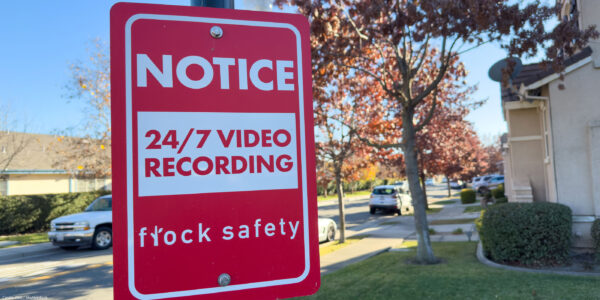
The same argument about deterrence is un-self-consciously made by peddlers of other technologies. Flock, the license plate surveillance company, against that its system helps 鈥渢o deter and solve crime,鈥� while a seller of touts 鈥渕obile physical deterrence.鈥�
Sometimes law enforcement wants people to feel not just watched, but actively intimidated. Some police departments have used militarized equipment to and people exercising their rights, a tactic the profession calls a 鈥渟how of force.鈥� And the same logic applies. Whether or not such untargeted tactics deter wrongdoing by a few people, they chill dissent and darken and degrade people鈥檚 experience of exercising their rights 鈥� or, when used routinely, their quality of life overall. The Los Angeles Police Department, for example, loud, militaristic police helicopters over the city 鈥� lower-income, less white parts of the city 鈥� on 鈥渢he theory that would-be criminals tend to rethink their nefarious plans when there鈥檚 an airship hovering overhead,鈥� as the Los Angeles Times . Intimidation has certainly been a hallmark of the Trump invasions of federal agents into local communities.
In some specific contexts, of course, targeted deterrence can be a good thing. A security guard in a bank, for example, may help deter robbers without impinging on everybody else鈥檚 freedom in any important ways. People expect a certain amount of watchfulness in a bank. The same holds true in many other narrow circumstances.
But it鈥檚 not the same when the context is entire neighborhoods or other large swaths of public space 鈥� places where people live their lives. So when you hear someone say 鈥渙ur surveillance technology will deter crime by making criminals feel like they鈥檙e being watched,鈥� just remember what that means: everyone will feel like they鈥檙e being watched. In some limited contexts that might make sense but at a minimum a recognition of this simple fact needs to be part of every conversation and debate in which 鈥渄eterrence鈥� is used as an argument.
Related Issues
Related Content
-
News & CommentaryAug 2026

Privacy & Technology
Criminal Law Reform
Another Problem With Ai-assisted Police Reports: Companies Can Have Incentives To Distort Their Content. Explore News & Commentary.Another Problem With AI-Assisted Police Reports: Companies Can Have Incentives to Distort Their Content
Police Companies Could Train Their AI to Hide Use of Their Products or Make Them Look Good -
News & CommentaryAug 2026

Privacy & Technology
Beware Of Other License Plate Surveillance Companies Besides Flock. Explore News & Commentary.Beware of Other License Plate Surveillance Companies Besides Flock
Flock deserves the heat it鈥檚 getting, but switching to another provider won鈥檛 necessarily improve anything -
News & CommentaryAug 2026
Privacy & Technology
Despite 'new' Updates, Flock's Creepy Cameras Remain Major Civil Liberties Threat. Explore News & Commentary.Despite 'New' Updates, Flock's Creepy Cameras Remain Major Civil Liberties Threat
In response to Flock鈥檚 announcement of operational changes, the 红杏视频 breaks down why many fall short. -
Press ReleaseAug 2026

Privacy & Technology
National Security
As Public Opposition To Flock Grows, Aclu Responds To Surveillance Company鈥檚 鈥渘ew鈥� Updates. Explore Press Release.As Public Opposition to Flock Grows, 红杏视频 Responds to Surveillance Company鈥檚 鈥淣ew鈥� Updates
NEW YORK 鈥� Amid nationwide outcry against its automatic license plate readers, Flock Safety announced today that it will reduce its standard data retention policy and allegedly provide more control over local data searches, among other changes. However, according to 红杏视频鈥檚 new analysis, many of the proposed changes seem to be a thinly veiled PR attempt to counter communities鈥� genuine privacy concerns with its mass surveillance system with largely hollow security promises, rather than an earnest effort to address them. While the 红杏视频 acknowledges one potentially positive development, most of the proposed changes stand little chance of making a positive difference for civil liberties. 鈥淭ransforming an exceptionally dangerous mass surveillance system into one that is fully protective of civil rights and civil liberties is a difficult, if not impossible task. That is even more the case with a company like Flock, whose nearly $1 billion in venture capitalist funding has locked it into an operational model that seeks to trade our privacy for massive profits,鈥� said Chad Marlow, senior policy counsel at 红杏视频. 鈥淕iven that Flock鈥檚 latest announcement still appears more focused on addressing a PR problem than the significant privacy and other harms its products create, we will continue to analyze the company鈥檚 proposals fairly and honestly. We just won鈥檛 be holding our breath.鈥� Flock operates more than 120,000 automatic license plate readers in at least 6,000 cities across the country, raising serious concerns around mass surveillance, data privacy, and how police and the government can use this data to go after immigrants, protestors, and others. Just this week, the Institute for Justice published a database with more than 100 incidents of ALPR abuse, including romantic stalking, wrongful stops and detentions, non-law enforcement use, and other types of misconduct. One of the changes announced is that Flock will decrease its standard data retention option to one week from 30 days. This seems positive at first blush, but as the 红杏视频鈥檚 breakdown explains, the devil will be in the details. For example, an exception to the data retention policy is something called 鈥淓vidence Mode, which is 鈥渨hen a search is tied to a case number, that data is preserved instead of aging out after 7 days.鈥� As the 红杏视频 notes, 鈥淚f 鈥楨vidence Mode鈥� only retains hit result data that police determine may be evidence in an active investigation of a specific case, then the change may be a positive one. But if Evidence Mode triggers the retention of any ALPR data that is searched, then the new mode could indefinitely retain all the ALPR data Flock collects and shares nationally.鈥� Another 鈥渃hange鈥� the company is implementing is that local police will be able to decide what types of offenses other Flock customers can search their data for. The 红杏视频 contends that this is not new. Flock has attempted this before, and the security measure failed because police were easily able to circumvent the system鈥檚 requirement that they input the purpose of their search. Finally, Flock announced that in response to the reports of police abuse, they will now require reasons for a search, and that they plan to universally roll out its audit assistance tool to detect police misuse. Flock鈥檚 announcement fails to note how easily users have circumvented 鈥渟earch reason鈥� security measures in the past or how its new policy improves the quality of the feature. And while providing 鈥淎udit Assistance鈥� to all departments makes sense, the 红杏视频 notes that there is no evidence that the tool works consistently to address what the Washington Post observed is a growing pattern of police officers turning Flock into a personal stalking tool. To determine the efficacy of this tool, Flock needs to have it analyzed by an independent evaluator. Until then, the 红杏视频 says, 鈥渨e don鈥檛 know if the tool is a real security measure or just window dressing.鈥� Dozens of communities across the country have successfully convinced their leaders to cancel Flock contracts, suspend their ALPR programs, or deactivate the cameras, with many more cities considering new legislation to rein in this mass warrantless surveillance tech. In June, the 红杏视频 launched its 鈥淕et the Flock Out鈥� campaign to bring together the litigation, advocacy, and legislative efforts of 红杏视频 affiliates in each state, show how communities across the country are fighting back against the spread of Flock and other license plate readers, and lay out how lawmakers at the local, state, and federal level can best protect our rights.