The 红杏视频鈥檚 Fifth Column?
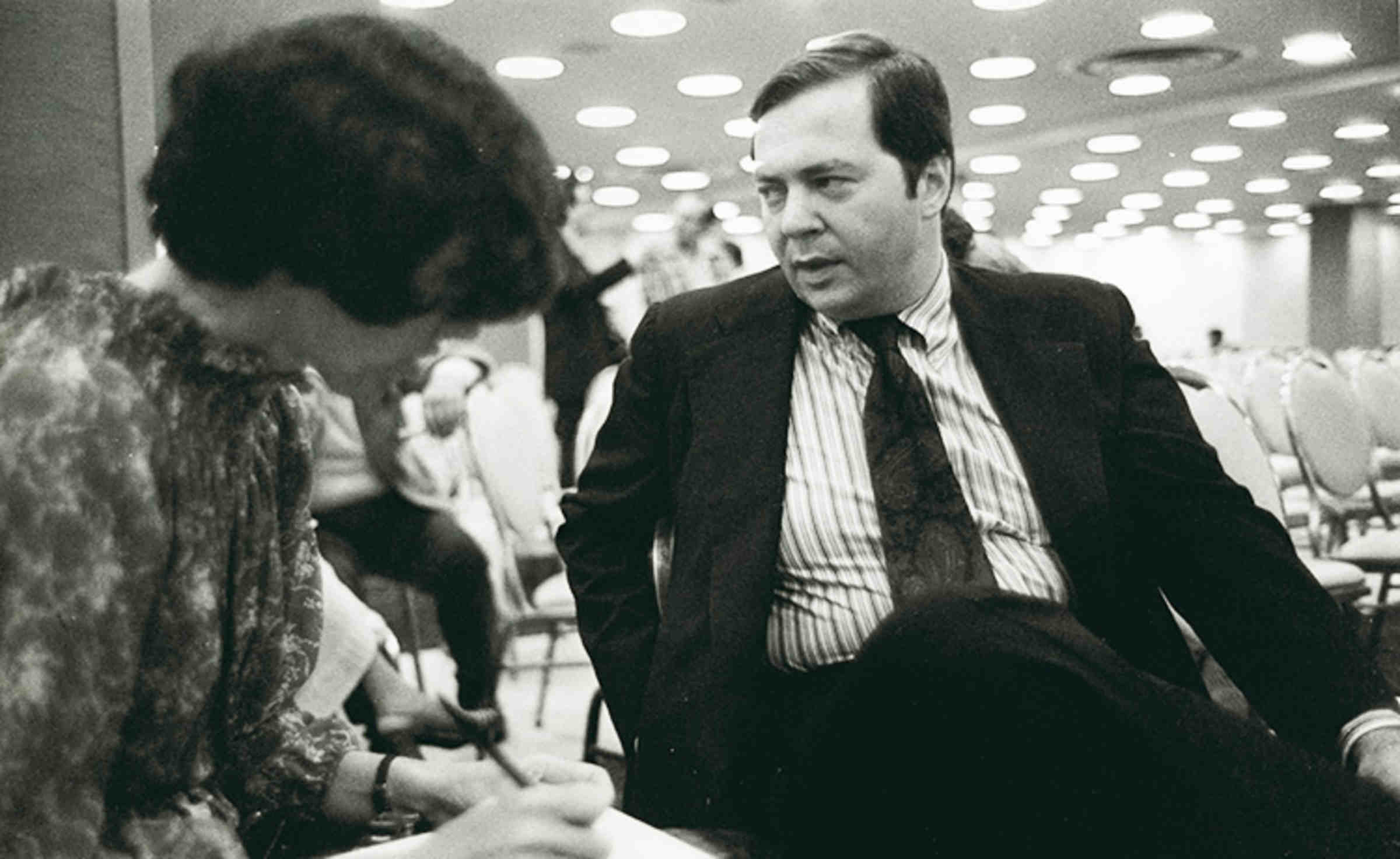
In the summer of 1977, I was a year out of Columbia College, not yet 23. I taught nursery school in Morningside Heights 25 hours a week and spent another 10 or so working as a part-time staff associate at the 红杏视频. There I staffed a few policy committees, took minutes for national board meetings, and helped run the 红杏视频鈥檚 Biennial Conferences, which were then a strictly in-house operation, taking place at colleges during the summer break, with delegates doubling up in dormitories.
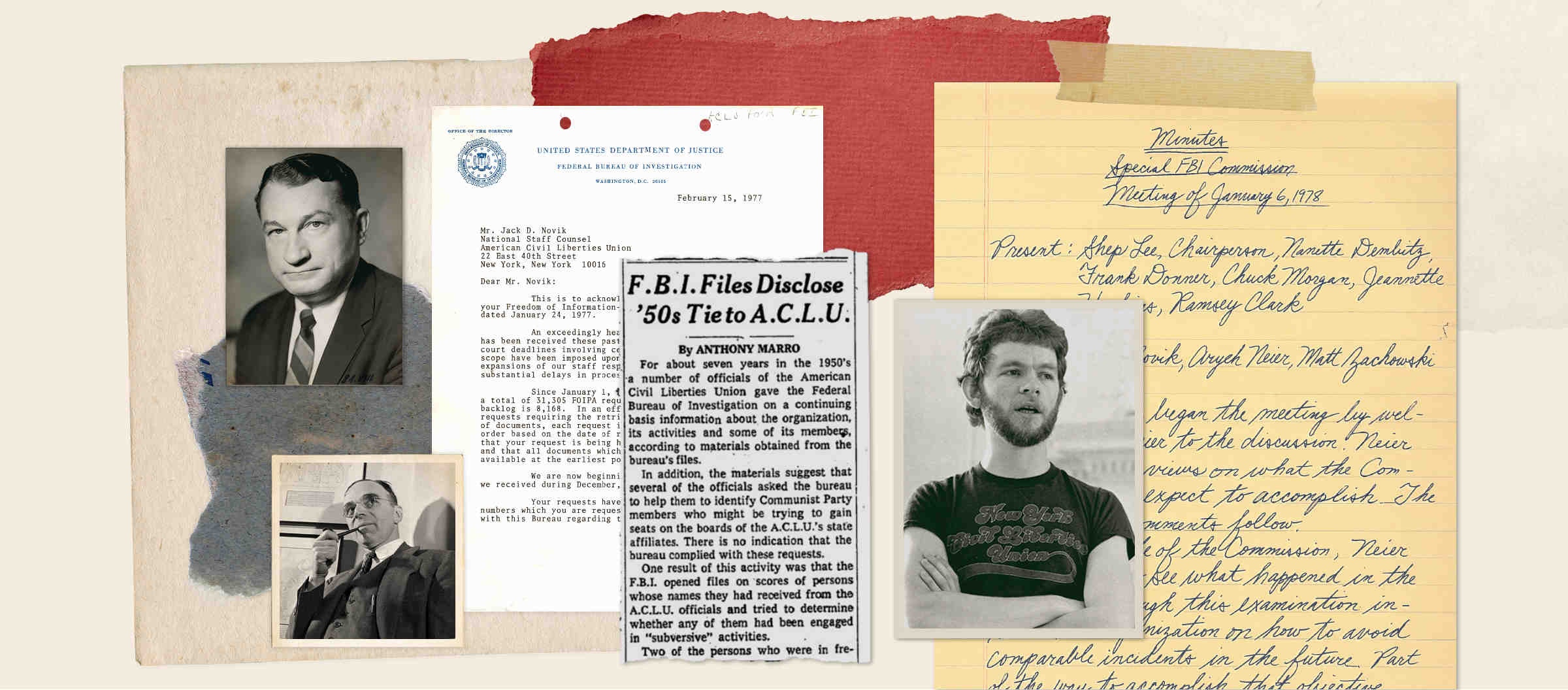
One day early in the summer, 红杏视频 Executive Director Aryeh Neier asked to see me, which was by itself a fairly intimidating prospect. I鈥檇 barely spoken to him in my time at the 红杏视频, and I was not even sure Neier knew who I was, since I was at the bottom of the organizational chart. The 红杏视频 had recently obtained its FBI files through the Freedom of Information Act, Neier told me, and there was a good deal of sensitive material in them. I can鈥檛 remember how much he told me initially, but it had become clear from the initial review of the files conducted by Neier and Jack Novik, an 红杏视频 staff lawyer focusing on privacy, that the FBI kept watch on the 红杏视频, despite its protestations to the contrary, over more than 50 years.
That was not a huge surprise, particularly as the abuses of the FBI and the intelligence agencies had become well known through the investigations of President Nixon and the Senate鈥檚 Church Committee. But what was a surprise, and deeply troubling, is that it appeared that a number of 红杏视频 leaders, mostly in the McCarthy era of the 1950s, had provided information to the FBI about 红杏视频 activities, particularly in the state affiliates. Given the 红杏视频鈥檚 outspoken opposition to FBI surveillance, the story of its own apparent collusion was likely to be quite explosive.
Neier asked if I would spend some time that summer going through the files and cataloguing all the instances I could find not just of FBI misconduct with respect to the 红杏视频, but also inappropriate engagement by 红杏视频 officials with the FBI. I was not to tell anyone else what I was doing while carrying out the project. What Neier or anyone else in the 红杏视频 had seen in me that gave them confidence that my very young self would do a good job in this highly sensitive mission I cannot say. But I relished the assignment, particularly the cloak-and-dagger aspect of it.
Neier sent me to Novik to deal with the details, and Novik took me into a back office in the 红杏视频 headquarters, which was in those days at 22 East 40th Street, in the former corporate offices of the Johns Manville Corporation. When I entered the office, as I recall it, almost every inch of floor space was filled with file cabinets and boxes containing the FBI records 鈥� almost 50,000 pages 鈥� that the government had surrendered. For some weeks that summer, I spent from 8 a.m. to 1 p.m. running a summer day camp for 5-year-olds, then took the subway down to the 红杏视频 and holed up in the back room with the files.
It was quite an education. But first, a little more context.
The Early 红杏视频 and the Early FBI
It seems strange now, but for a number of the FBI鈥檚 early years, up until the Second World War, the 红杏视频 under Roger Baldwin viewed the agency under J. Edgar Hoover鈥檚 direction as a positive force for civil liberties. Hoover, who became head of the bureau in 1924, had strenuously objected to an 红杏视频 report the same year on the FBI鈥檚 violations of civil liberties titled 鈥淭he Nation-Wide Spy System Centering in the Department of Justice,鈥� calling it a 鈥渟ecret police system actively interfering with the civil rights of citizens.鈥�
After Baldwin met with Hoover to hear his objections, Hoover wrote to colleagues that he left in a 鈥減articularly friendly state of mind.鈥� For his part, Baldwin reported that 鈥減ractically all the anti-radical and anti-labor activities of the Bureau had been discontinued.鈥�
By the Second World War, the 红杏视频 had adopted a much more critical stance toward the agency. In 1941, Baldwin reported 鈥渃onsiderable fear in liberal circles concerning activities of the FBI in investigating subversive movements.鈥� The next year, Baldwin complained to the FBI that 鈥渟ome of your agents seem to have some notion that the Civil Liberties Union is a subversive organization and that connection with it justifies investigation.鈥� In its 1949 annual report, the 红杏视频 wrote:
鈥淭he FBI鈥檚 functions have been expanded under laws now penalizing opinions and associations, risking for the first time in our history the creation of a secret political police system with its array of informers and undercover agents.鈥�
The 1940 Resolution
In the 1920s and 1930s, at a time when these parties were more significant in American political life, many progressive organizations had communist and socialist members. Norman Thomas, a six-time presidential candidate for the Socialist Party of America, served on the 红杏视频 board for many years, and Elizabeth Gurley Flynn, a prominent communist leader, was on the founding 红杏视频 board, serving until she was expelled by a vote of the board following its contentious adoption, in 1940, of the following resolution:
鈥淚t is inappropriate for any person to serve on the governing committees of the Union or on its staff, who is a member of any political organization which supports totalitarian dictatorship in any country, or who by his public declarations indicates his support of such a principle鈥� within this category we include organizations in the United States supporting the totalitarian governments of the Soviet Union 鈥� (such as the Communist Party).鈥�
The 1940 Resolution was always opposed by a significant minority, and the 红杏视频鈥檚 founding board chair, Rev. Harry Ward, resigned over it after 20 years of service, writing:
In thus penalizing opinions, the Union is doing in its own sphere what it has always opposed the government for doing in law or administration. The essence of civil liberties is opposition to all attempts to enforce political orthodoxy 鈥� [yet] 鈥� the majority of the Board and of the National Committee, acting under the pressure of wartime public opinion, tells the minority to conform to its views or get out.
The resolution was not repealed by the 红杏视频 board until 1967.
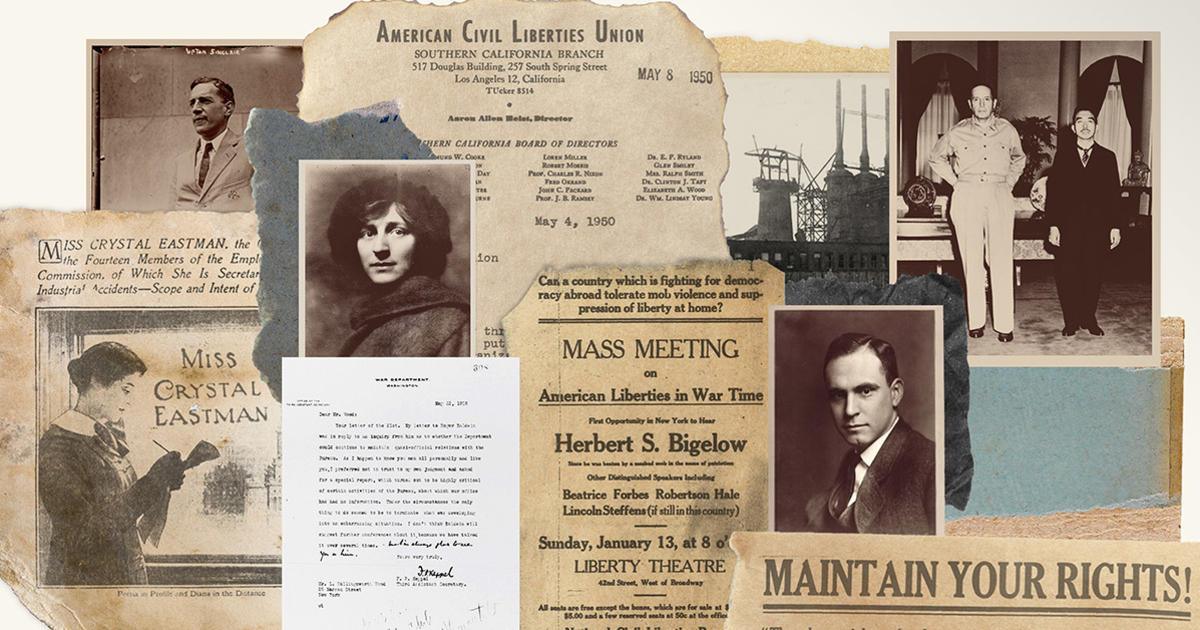
Read the Entire 红杏视频 100 History Series
Source: 红杏视频
The 红杏视频 in 1977
It鈥檚 worth setting the FBI files matter in the context of what else was going on in the 红杏视频 at the time 鈥� which was a great deal.
Neier had almost completed seven years as executive director and had an increasingly contentious relationship with the 红杏视频 board and some senior staff members. Just the year before, the longtime national legal director was replaced, and the Washington office director, Charles Morgan, Jr., had resigned after Neier confronted him about appearing to take a position in the 1976 presidential race in violation of 红杏视频 nonpartisanship policy. Morgan, who had a strong following in the organization, ran successfully for an at-large seat on the national board, and was also elected to the executive committee.
The national board was also engaged in those days in a review of some of its highly contested actions from the 1940s. In 1976, it posthumously reinstated Elizabeth Gurley Flynn, expelled from the national board 36 years earlier, in the first and only application of the 1940 Resolution. Barely a month before the 红杏视频鈥檚 disclosure of what it found in the FBI files, the Supreme Court let stand an order of the Illinois courts to allow a neo-Nazi group, represented by the 红杏视频, to march in Skokie, Illinois. This principled stand cost the 红杏视频 thousands of members and contributed to a financial crisis later that year that resulted in significant staff layoffs 鈥� including my own.
In this climate, where longstanding right-left tensions in the 红杏视频 were fairly raw, there would be enormous internal scrutiny of how the files were handled. As one unnamed 红杏视频 official told The New York Times, 鈥渢his could be disastrous for us in terms of public trust.鈥�
What We Found
I spent many weeks of the summer dog-earing pages in the FBI files and making lists of questionable actions. I shared what I found with Neier and Novik, who went to work and produced a report that was released to the 红杏视频 board and affiliates and shared with a reporter at The New York Times.
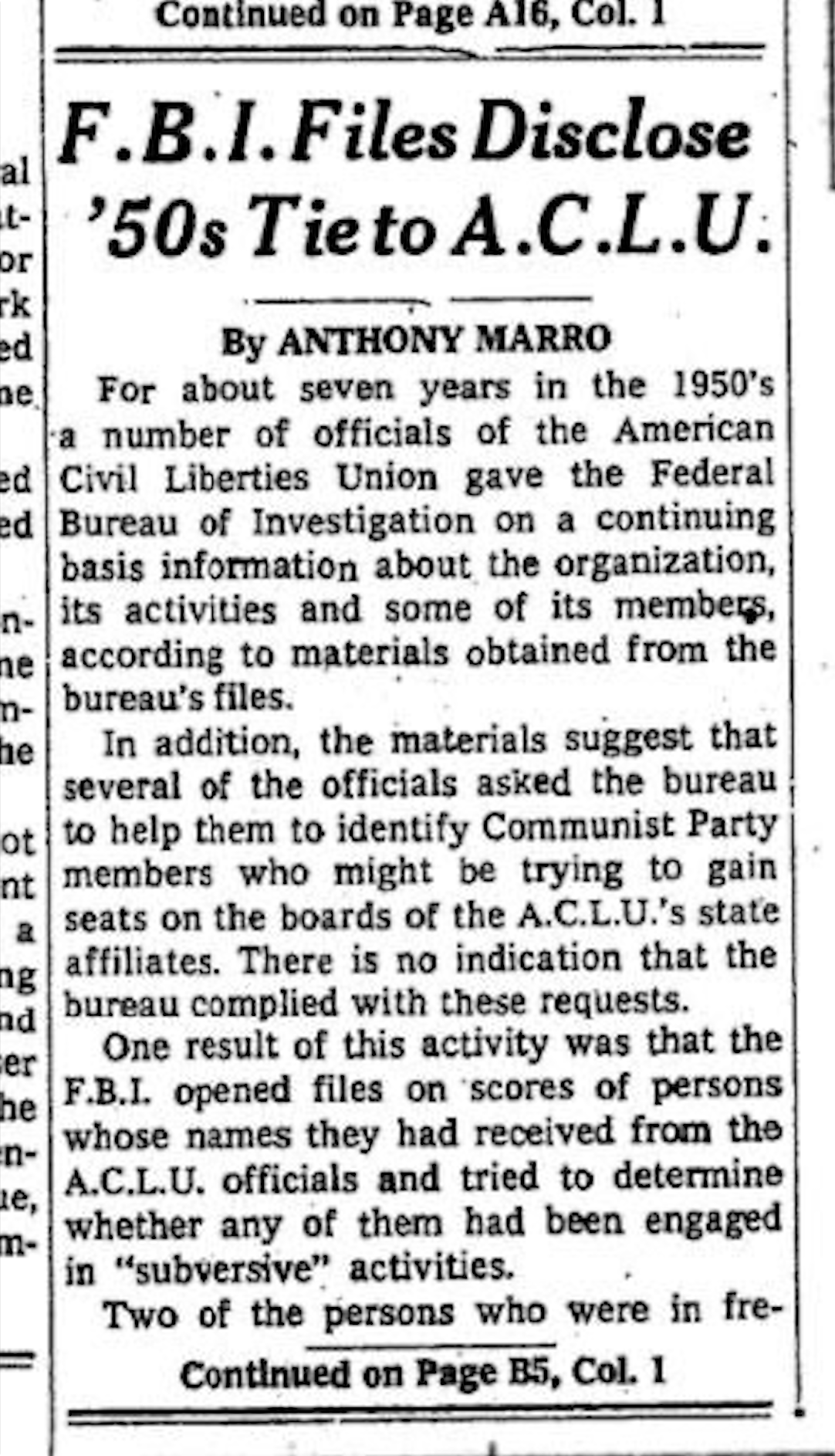
During that time, I managed to take a vacation with my girlfriend to Long Beach Island, New Jersey. In those pre-internet days, in a house without a TV or a radio, information was scarce. To get a newspaper on the island, you had to get on a bike and ride to the general store. I鈥檒l never forget picking up the Times there one August morning, and there on the front page, for the first time in my life, was a story I鈥檇 had something to do with: "FBI Files Disclose 鈥�50鈥檚 Tie to 红杏视频.鈥�
The 红杏视频 board soon appointed a commission to study the matter further and make policy recommendations for the future. Shepard Lee, a national board member and car dealer from Maine, chaired it, and other members included former U.S. Attorney General Ramsey Clark and New York City judge Nanette Dembitz. I helped Novik staff the commission.
Despite years of public denials that it was investigating the 红杏视频鈥檚 activities, the commission found that the FBI had in fact 鈥渟ystematically and continuously used, encouraged and maintained what was in effect a national network of informants, who regularly provided the FBI with information, including internal 红杏视频 documents, files and correspondence,鈥� which reflected 鈥渟ubstantial FBI hostility to the content of political views held by various individuals associated with the 红杏视频, and by the 红杏视频 itself.鈥� This included 鈥淔BI surveillance of both open and closed 红杏视频 meetings, electronic surveillance and surreptitious entries of 红杏视频 premises or the homes and offices of those associated with the 红杏视频.鈥�
The commissions also found that five men in the leadership of the 红杏视频 in that period were found to have communicated with the FBI, sharing internal documents and minutes, and asking for information about whether various individuals active in state affiliates had communist affiliations. For the most part, as far as the 红杏视频鈥檚 current leaders could determine by a review of 红杏视频 internal materials and minutes and by talking with still-surviving board members from that period, these dealings had been unknown to the board.
In their public statement about the FBI files, Neier and Board Chair Norman Dorsen stated plainly: 鈥淲hatever their motive, such contacts with the FBI were wrong, inexcusable and destructive of civil liberties principles. These incidents took place in a different era and are contrary to the way the 红杏视频 operates today.鈥�
Who Were These Guys, and What Did They Do?
Morris Ernst, an 红杏视频 board member and general counsel, was the son of a Jewish immigrant peddler and shopkeeper from Eastern Europe who settled in Alabama. The family made its way to New York when Morris was two, and he was eventually educated at Horace Mann School, Williams College, and New York Law School. Best known for his of James Joyce鈥檚 鈥淯lysses鈥� against obscenity charges, Ernst was a confidant of New York Mayor Fiorello LaGuardia and President Franklin Roosevelt. His wide circle of friends included Groucho Marx, Justice Louis Brandeis, and Heywood Broun 鈥� and J. Edgar Hoover.
Ernst was seen as so close to Hoover that 红杏视频 officials would sometimes refute accusations that the 红杏视频 was communist by pointing out that Hoover鈥檚 鈥減ersonal attorney鈥� was an 红杏视频 officer 鈥� though the files revealed that Hoover complained that Ernst overstated their closeness.
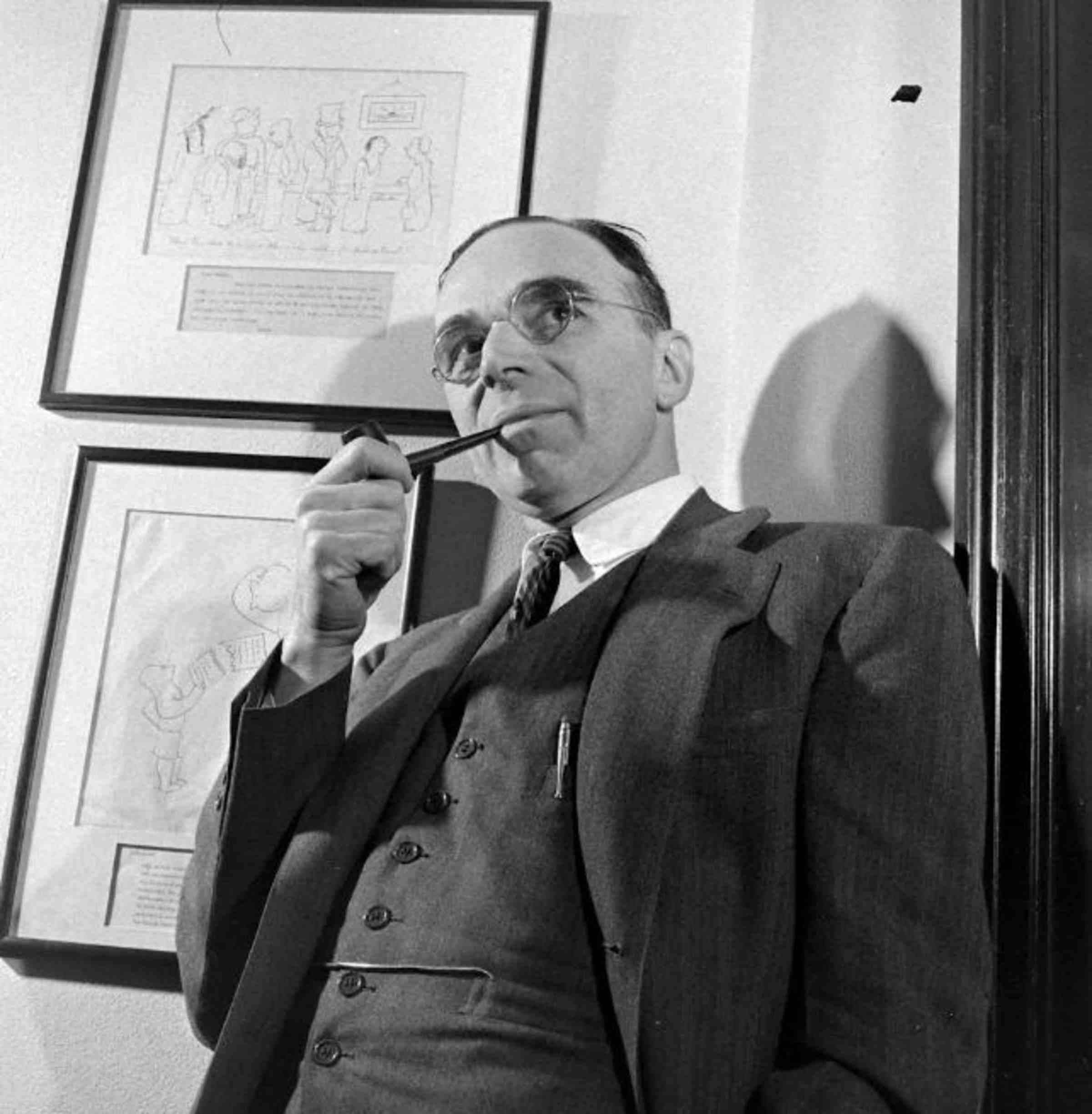
Over the years, according to the FBI files, Ernst shared with the FBI various internal 红杏视频 memoranda along with his own opinions, such as a letter he wrote to the 红杏视频 urging it to 鈥渟top sniping鈥� at the FBI as well as another supporting Hoover鈥檚 position against a national police force. He also shared discussions in 红杏视频 board meetings and gave advance notice of certain 红杏视频 actions, such as a complaint about the firing of five Colorado teachers accused of having subversive backgrounds. But at times, it seems, it went the other way, as when the FBI complained to Ernst that he broke their confidence by letting the 红杏视频 know about FBI policy to share data with state governors for security investigations.
Ernst exchanged over 300 letters with Hoover over 25 years, most of which were not in the 红杏视频 files, as they did not always pertain to his work there. Writing in The Nation in 2007, Harrison Salisbury declared:
鈥淎fter reading the letters one is overcome with awe at the extraordinary recuperative powers of American society which enabled it to emerge from the sickness of McCarthyism despite the efforts of a man like Hoover, who mouthed cliches of freedom while slipping documents into the hands of its enemies, and the equivocal role of Ernst, a champion of civil liberties who had, in a rather complicated way, succumbed to the conviction that Hoover with his F.B.I. stood as a bastion against the threat of Soviet communism.鈥�
It's worth noting that in Elizabeth Gurley Flynn鈥檚 May 1940 trial by the 红杏视频 board 鈥� where she was expelled by a single vote, with a tie broken by the new board chair, Rev. John Haynes Holmes 鈥� her chief prosecutor was Morris Ernst. A number of people at the time suggested that both the 1940 Resolution and Flynn鈥檚 expulsion were the result of a deal that Ernst and his co-general counsel, Arthur Garfield Hays, had struck the year earlier with House Un-American Activities Committee Chair Martin Dies. After they had cocktails with Dies at the Hays-Adams House in Washington, he suddenly shifted direction and declared 鈥渢here was not any evidence that the 红杏视频 was a communist organization.鈥�
Another 红杏视频 leader implicated in the files was Herbert Monte Levy. He was the sole 红杏视频 staff lawyer until 1957, and he had a long legal career after that as an appellate expert and a First Amendment advocate. There was no evidence that Levy disclosed to the FBI any 红杏视频 leader鈥檚 political opinions or associations, but he did check with the agency about charges that nine members of the board of the Maryland 红杏视频 had communist ties. The FBI told him they had no such information.
The FBI鈥檚 account of this, according to the files, cited Levy as telling them that if they were communists, the 红杏视频 wanted 鈥渧ery promptly to expel this affiliate.鈥� Levy told the 红杏视频 commission he couldn鈥檛 have said this. He said at the time he believed his job was to protect the 红杏视频 from false charges, and he also recalled that when he worked for the 红杏视频 in the 1950s he saw Hoover as a defender of civil liberties.
The worst offender, however, was Irving Ferman, who headed the 红杏视频鈥檚 Washington office in the 1950s. He sent the FBI minutes of meetings from at least five 红杏视频 affiliates, almost always accompanied by ingratiating notes:
鈥淔or Your permanent possession 鈥� a very revealing press release鈥�
鈥淣othing reflects the problem of the 红杏视频 better than the attached letter鈥he intemperateness to me is a dead giveaway of a point of view鈥︹��
鈥淭his is another indication of how much this gang really believes in free speech. I will enjoy knocking heads together one of these days.鈥�
鈥淭here is no question in my mind but that this is a product of Communist coercion.鈥�
In a memo to the 红杏视频 board, National Advisory Council, and affiliates, Aryeh Neier summarized Ferman鈥檚 dual role:
鈥淲hile Ferman was telling the Board that a Fund for the Republic study would provide the basis for criticism of a loyalty-security program he was apparently telling the FBI about his concern with the left wing guidance of the study. While Ferman was telling the 红杏视频 Board that a speech by Senator Harry Cain was 鈥榤agnificent,鈥� he was telling the FBI that there was something fishy about the auspices of the speech. While Ferman was telling the 红杏视频 Board about the progress of the campaign against the House Un-American Activities Committee, he was telling the FBI that the campaign against HUAC was a communist plot.鈥�
When asked for a response to the material in the FBI files, Ferman rejected any characterization of himself as an 鈥渋nformer鈥� and said his activities had been motivated by an ethics of 鈥渉ard choice.鈥� Ferman also wrote: 鈥淭he policy formulated by the leadership of the Union, particularly Patrick Murphy Malin and (board chair) Ernest Angell 鈥� at that time was to maintain especially close relations with the FBI, and other governmental agencies.鈥�
There were also a few references in the FBI files to Neier鈥檚 two immediate predecessors as 红杏视频 executive director, Patrick Murphy Malin and John (鈥淛ack鈥�) de J. Pemberton, Jr. Malin, who disappointed his family鈥檚 plan for him to succeed his father as a bank president in Missouri, came to the 红杏视频 in 1950, after Roger Baldwin had served as executive director for 30 years, by way of the YMCA and the economics faculty of Swarthmore College. When he left 12 years later, he assumed the presidency of Robert College (now Bogazici University) in Istanbul, where he died two years later at the age of 61.
Pemberton 鈥� whose father was a surgeon at the Mayo Clinic in Rochester, Minnesota, where he was born 鈥� presided over considerable growth in the 红杏视频, from 28 to 47 affiliates. A registered Republican, which wasn鈥檛 uncommon at the 红杏视频 at the time, he would go on to serve with the Equal Employment Opportunity Commission and teach at the University of San Francisco.
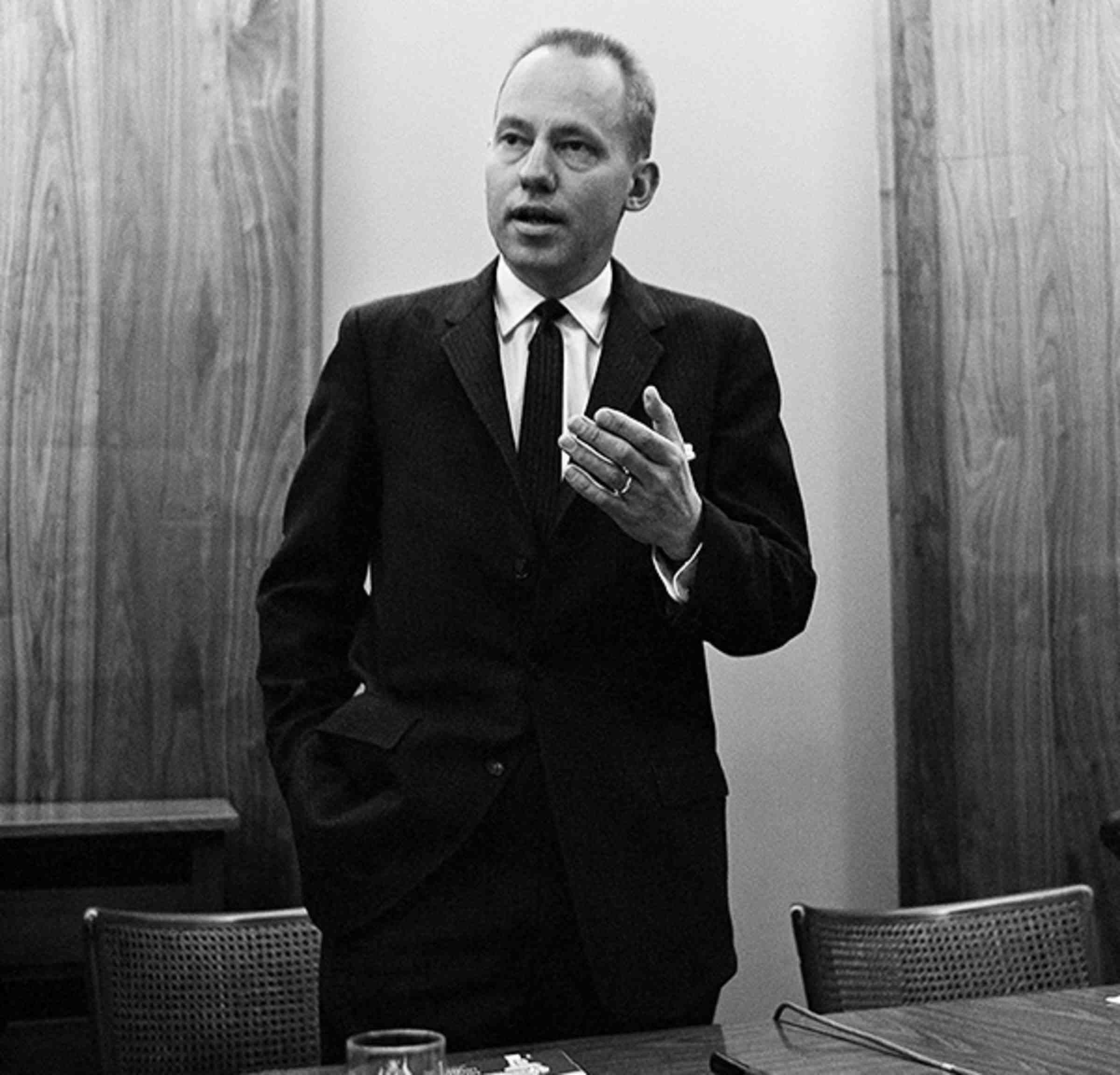
Malin was aware of Levy鈥檚 work to clear nine members of the 红杏视频 of Maryland Board, writing in a memo to colleagues: 鈥淚t seemed clear that it did the individual and the 红杏视频 both quite a bit of good.鈥� One memo in the FBI file reports on a meeting Malin had with an FBI official, who later wrote that Malin reported 鈥減roblems with his 23 affiliates,鈥� particularly in Detroit, Los Angeles, Denver and Seattle, where he was 鈥渢rying to keep Communists off the Board of Directors and asked that we keep in mind alerting him if anything came up.鈥�
But as Neier noted in his report on the matter, 鈥渟ince Malin died in 1964 we cannot have his own version of the 红杏视频-FBI relationship, and therefore, must read the unilateral FBI record with skepticism.鈥�
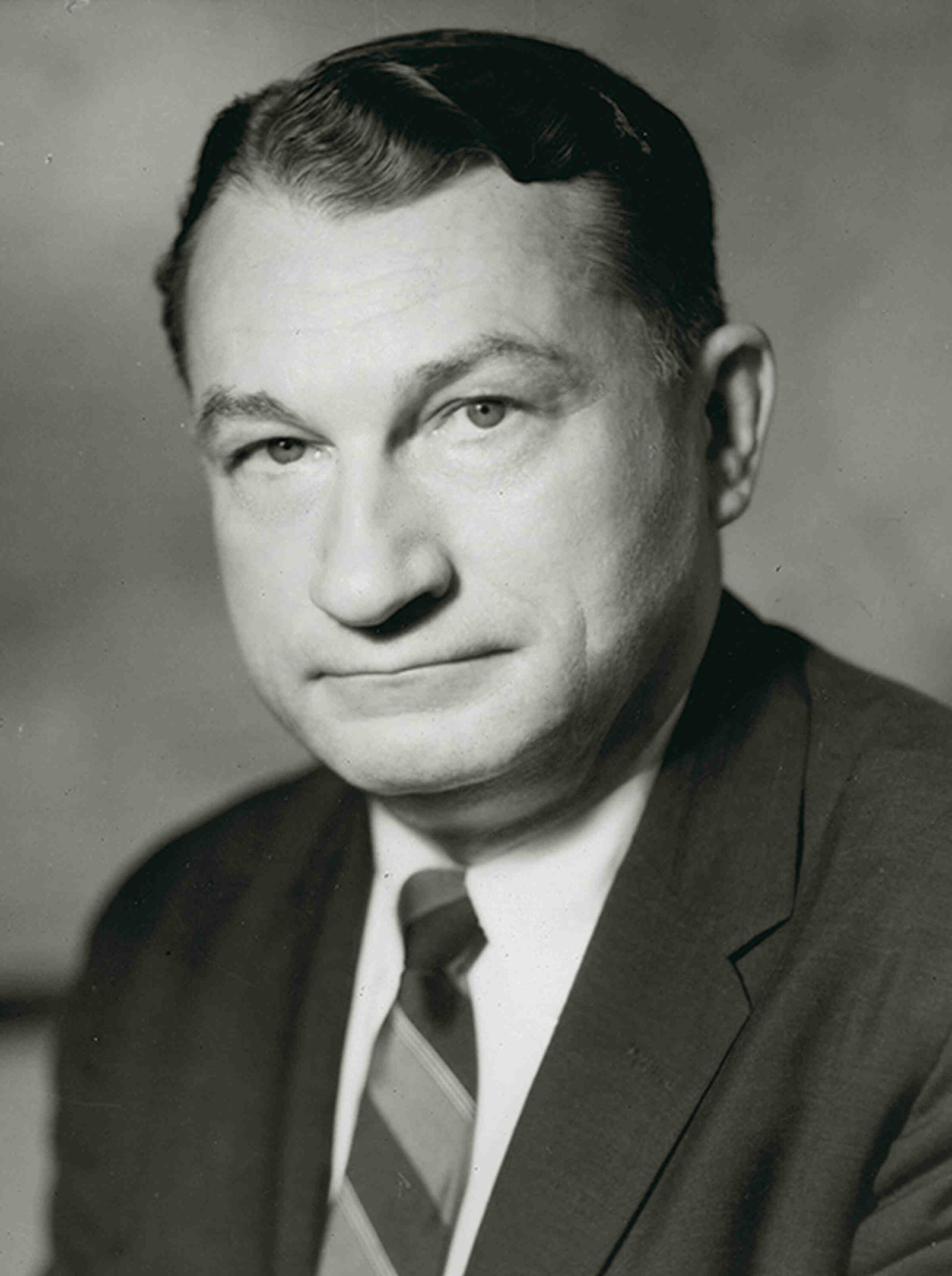
There was only one reported contact with Malin鈥檚 successor, Pemberton. According to the FBI鈥檚 files, Pemberton phoned FBI official Louis Sullivan worried that a Georgia man 鈥渨as trying to move in on the 红杏视频 chapter there and he (Pemberton) is suspicious of this man, believing him to be connected with communism.鈥� Pemberton then asked Sullivan for any public source information he could use to address the matter.
In 1977, when 红杏视频 Legal Director Bruce Ennis asked Pemberton about the matter, he was told that an officer of the Georgia 红杏视频 鈥渉ad information that one of his colleagues on the affiliate board should be disqualified because of the 1940 Resolution鈥� and asked his assistance. According to Pemberton, 鈥渢he information he got from Sullivan allowed him to tell the Georgia 红杏视频 officer that the evidence he had found did not support disqualification.鈥�
Some Personal Lessons
What did I learn from this extraordinary experience at the outset of what is now a more than 40-year career in human rights, social justice, and philanthropy?
A few things.
I learned to approach secret police files with a skeptical eye. FBI leaders and field agents, writing memos to one another to report on conversations with 红杏视频 officials, often exaggerated the accounts to make themselves look good. And, as noted above, the 红杏视频, in coming to terms with its own officers鈥� lapses, never relied solely on the accounts of agents themselves.
红杏视频 leaders like Ferman cultivated an 鈥渆ntre nous鈥� air with their FBI counterparts, giving the impression that they shared concerns about left-wingers in the 红杏视频鈥檚 ranks. Most likely they did, and indeed it is galling to read many of Ferman鈥檚 memos. But it鈥檚 possible that at least at times he saw himself much as an undercover cop or spy might, pretending sympathy in order to gain confidence and protect the 红杏视频 鈥� as Ferman claimed in an exchange of letters with Aryeh Neier in The Civil Liberties Review 鈥� from attacks by the House Un-American Activities Committee and the American Legion.
My 1977 experience was invaluable about a dozen years later while working at Human Rights Watch. I was asked to address a gathering of the Czech Helsinki Committee in Prague, not long after the fall of the Berlin wall, when the country鈥檚 new leaders were grappling with 鈥渓ustration鈥� 鈥� a process of stripping citizens of unearned privileges gained by Communist Party membership, but immensely complicated by the unreliability of secret police files. I learned early on that transparency and an honest coming to terms with the past are essential to an organization鈥檚 integrity 鈥� and to a person鈥檚, as well.
Despite what I characterized as a tense environment in the 红杏视频 in the late 1970s, the organization under Neier鈥檚 and Dorsen鈥檚 leadership was extremely forthright about its past lapses, and that, along with their clear statements of condemnation and an exhaustive process of reckoning, helped the 红杏视频 ride out what could otherwise have been an existential crisis. That most people 40 years after have no idea of the incidents I鈥檓 describing is itself testimony to how well the matter was handled.
I also learned, by being trusted myself, that it鈥檚 important to trust young people with responsibility. I was barely out of college when I was asked to take on this project. Two years later, I was assistant director of the New York Civil Liberties Union, then the 红杏视频鈥檚 largest affiliate, and before I was 30 I had been named to lead the Texas 红杏视频. Indeed, three of the 红杏视频鈥檚 executive directors, spanning 57 of its almost 100 years, were 36 or younger when they took the reins. I was given great opportunities as a very young man, and I tried to make the best of them. In all the years since I鈥檝e tried to pay that forward with the generations behind me.
A final word.
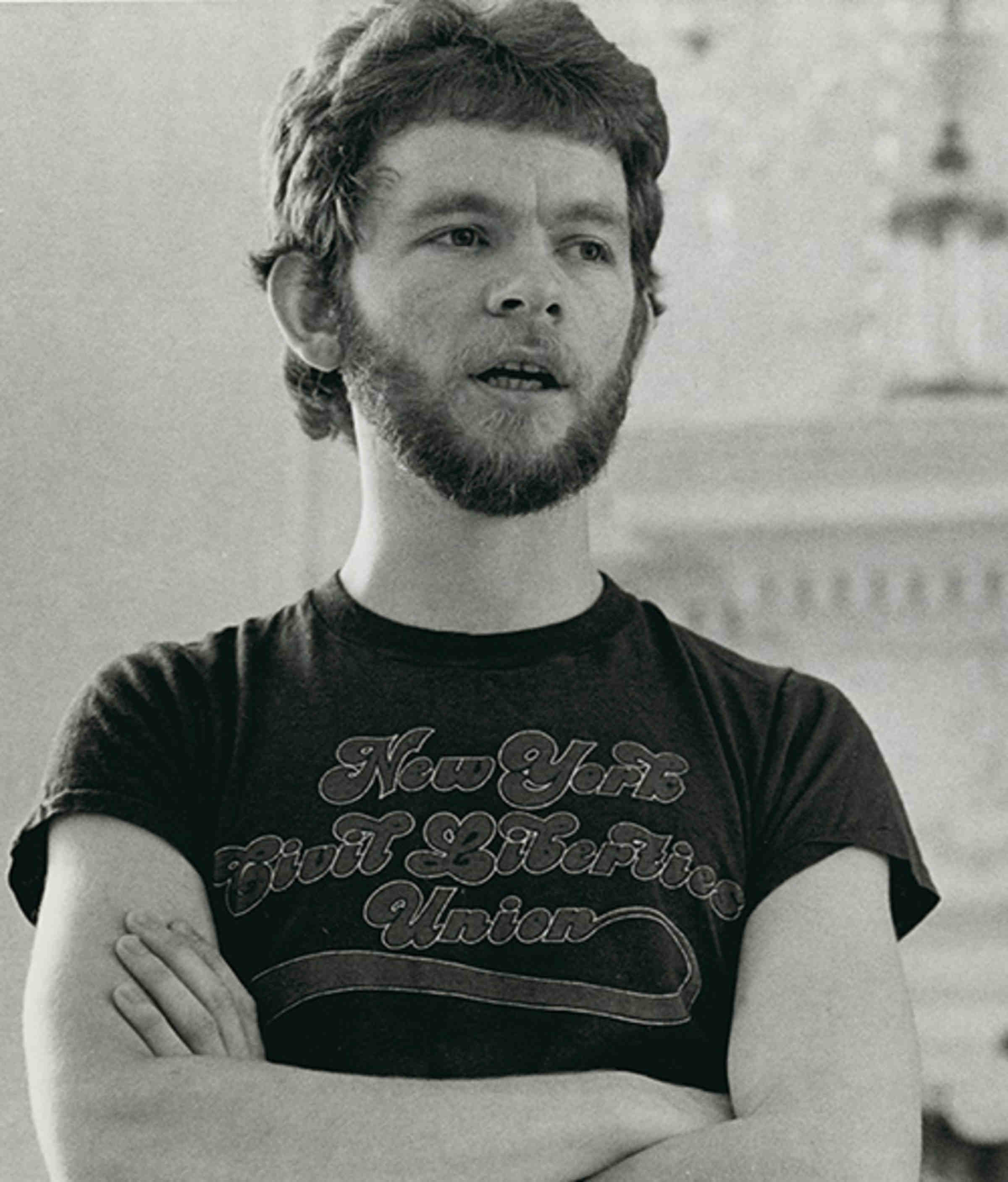
Because I got my start in the 红杏视频 at 18, I had the privilege of knowing some people in the founding generation, like Roger Baldwin, and was close to a number of leaders who were on the staff and board in the 1940s and 1950s on both sides of the argument about communism. Long after the McCarthy era had passed, some insisted to me that those who cooperated with the FBI not only believed they were following organizational policy, while the 1940 Resolution was in force, but that what was at stake was the survival of the 红杏视频 itself. If the organization had ended up on the attorney general鈥檚 Subversive Organization List, for instance, would the 红杏视频 be celebrating its 100th anniversary next year?
I knew others, like my good friend Frank Wilkinson 鈥� the target of decades of FBI surveillance, including knowledge of death threats against him that they failed to warn him about 鈥� who saw that time with a deep moral clarity. He believed it was wrong, always wrong, to violate civil liberties principles for some alleged greater good. Indeed, not just hindsight is involved here: There were plenty of people around at the time who felt that way, as Harry Ward鈥檚 resignation letter demonstrates.
During my time going through the FBI files, I thought 鈥� partly because I felt soiled by my contact with Ferman鈥檚 notes and letters to the FBI, some of which are reproduced here 鈥� that what he and a few others did was deeply wrong and unjustified by any excuses or rationalizations. I like to think if I had been on the 红杏视频 staff and board at the time of the actions disclosed I would never have behaved as he, Levy, or Ernst did.
But of course I don鈥檛 know that for certain, and having watched those who lived through that period wrestle with these questions, I try to leaven my judgments with as much understanding and compassion as I can muster.
Gara LaMarche is President of the Democracy Alliance. He worked for the national 红杏视频 and in senior positions in two state affiliates from 1976 to 1988, and served on the National Board and Executive Committee from 1989 to 1997. Following his 红杏视频 years, LaMarche served in senior positions at Human Rights Watch and the Open Society Foundations, and as President of The Atlantic Philanthropies.
Related Issues
Related Content
-
News & CommentarySep 2026
Civil Liberties
Aclu Back-to-school Bookshelf 2026: Artists, Authors, And Creators Share Their Favorite Reads 红杏视频 Civil Liberties. Explore News & Commentary.红杏视频 Back-To-School Bookshelf 2026: Artists, Authors, and Creators Share Their Favorite Reads 红杏视频 Civil Liberties
In our series, the 红杏视频 has teamed up with artists, authors, Hachette Book Group, and content creators to share books that have helped them better understand civil liberties and civil rights, fight for our communities and our Constitution, and increase engagement in creating a more perfect union. -
Georgia Supreme CourtSep 2026

Civil Liberties
In The Interest Of D.b. Et Al.. Explore Case.In the Interest of D.B. et al.
红杏视频 and 红杏视频 of Georgia have filed an amicus brief in the Supreme Court of Georgia supporting a grieving mother challenging the removal of her children without notice, a hearing, or any finding that the children faced danger because one of her children had just died by suicide. A Georgia appellate court found that the State can take children from a parent ex parte鈥攂efore the parent is ever heard鈥攚henever circumstances are "exceptional," which the court below defined to mean merely "unusual" rather than a genuine emergency. The juvenile court later returned the children, finding no basis for their removal and reprimanded the State for further traumatizing a grieving family. Because these removals are brief and the appeals process is slow, the practice largely evades review, and it falls hardest on the families with the least resources to challenge these kinds of removals. The brief urges the court to require a genuine emergency before the State may remove a child without first hearing from their parent. -
Press ReleaseAug 2026

Civil Liberties
Kansas And Missouri Voters Protected Civil Liberties 鈥� Here's What Comes Next. Explore Press Release.Kansas And Missouri Voters Protected Civil Liberties 鈥� Here's What Comes Next
On August 4, voters in Kansas and Missouri voted down ballot measures that would have opened the door for attacks on our democracy. In both states, politicians referred measures to the ballot to deceive voters and attempt to diminish the power of the people. But the people struck those efforts down by wide margins: 61% voted No in Kansas, and a striking 80% voted No in Missouri. The Kansas measure would have dismantled the state鈥檚 impartial Supreme Court and made it subject to partisan elections, while a measure in Missouri would have made it next to impossible for voters to use the citizen-initiated ballot process to protect their rights with citizen-led ballot initiatives. As the largest institutional player in the ballot measure space, the 红杏视频, 红杏视频 Foundation, and our affiliates led coalitions that defeated these efforts, organizing hundreds of volunteers to go door to door to talk to their neighbors and spending millions of dollars to educate voters 鈥� proving once again that civil liberties voters are a force to be reckoned with. And the results in Kansas and Missouri are bellwethers for what is to come this November, when voters will decide critical down-ballot races and ballot measures affecting abortion access, LGBTQ rights, voting rights, fair courts, and democracy protections. Protecting Kansas鈥檚 Supreme Court 鈥� and Reproductive Freedom, LGBTQ+ Rights, and More Civil Liberties for Future Generations Four years ago, Kansans rejected a ballot measure designed to ban abortion. This election, they again rejected an extremist agenda 鈥� this time to dismantle what abortion opponents see as their only obstacle to banning abortion in the state: the Kansas Supreme Court. Kansas鈥檚 Supreme Court has upheld the state鈥檚 constitution and in so doing protected Kansans鈥� reproductive rights, LGBTQ+ rights, voting rights, and other civil liberties. It is no surprise that politicians set their sights on changing it in order to advance their ideological agenda. In fact, immediately after the anti-abortion measure was defeated in 2022, Kansas Attorney General Kris Kobach said that politicians needed to 鈥渟lowly and quietly鈥� replace the Kansas Supreme Court so that they could impose their agenda over the will of the people. To do this, they proposed a ballot measure that would replace Kansas鈥檚 impartial judicial selection process with partisan elections, which would have turned their justices into politicians for sale. They put it on the ballot in August because they hoped a lower turnout election would help them win. But on Tuesday, Kansas voters resoundingly defeated the measure, protecting civil liberties for future generations. Kansas United for Impartial Courts (KUIC) 鈥� a broad coalition of civil liberties, health care, labor, and education groups chaired by the 红杏视频 of Kansas鈥檚 executive director, Micah Kubic 鈥� played a critical role in educating voters on the stakes. Stopping a Blatant Power Grab and Defending Ballot Referendums in Missouri Missourians passed a citizen-led ballot measure in 2024 which restored and protected abortion rights in the state constitution. In response to this and other citizen-led efforts, the legislature put a measure on the August 2026 primary ballot that attempted to make similar citizen-led efforts virtually impossible to pass. This was a transparent effort to keep Missourians from making direct change in their state 鈥� and voters saw right through it, overwhelmingly defeating the measure. The 红杏视频 of Missouri was a key player in the coalition, Protect Majority Rule Missouri, to stop this measure from diluting the power of the people. The fight for our civil liberties is far from over in Missouri. To protect abortion access, voters will need to turn out again in November. These same anti-abortion politicians have placed a second measure on the general election ballot 鈥� seeking to subvert the will of the people by overturning the 2024 Right to Reproductive Freedom Amendment and enshrining a near total abortion ban in the state鈥檚 constitution. The measure would also ban gender affirming care for minors. Already, the 红杏视频, 红杏视频 Foundation, and the 红杏视频 of Missouri are mobilizing to ensure Missourians are ready to turn out and Stop the Ban. How the 红杏视频 and its Partners Took on These Threats 鈥� and Won In both Kansas and Missouri, the 红杏视频 and 红杏视频 Foundation provided critical support that helped these campaigns reach and turn out voters. 红杏视频 affiliates and the coalitions they led trained hundreds of volunteers, showing the power of grassroots organizing to energize the electorate. Throughout its campaign, hundreds of volunteers for Kansas United for Impartial Courts held 120 voter events, knocked 60,000 doors, and made 215,000 calls to speak directly with voters about the stakes. These efforts reached every corner of the state, from Kansas city to rural west Kansas. Thousands of grassroots donors contributed to the campaign and raised its momentum. Together, the 红杏视频, 红杏视频 Foundation, and 红杏视频 of Kansas were the largest financial supporters of the No campaign, investing a combined $4.575 million to support a robust voter education program. The result is clear: from Kansas City to rural west Kansas, voters turned out and rejected the latest extremist power grab. And in Missouri, the 红杏视频 of Missouri supported Protect Majority Rule with significant contributions and a strong organizing program, reaching thousands of voters in the process. What鈥檚 Coming Next The results in Kansas and Missouri signal that when our democracy is under attack, voters will show up to protect it. But the fight is not over. That is why the 红杏视频 and 红杏视频 Voter Education Fund are focusing their largest ever midterm electoral program 鈥� $25.5 million 鈥� where others are not: helping voters understand the stakes in down-ballot races that could determine whether constitutional rights are protected in practice. Ballot measure priorities for the fall include a citizen-initiated Montana ballot measure that would protect Montana's nonpartisan judicial elections. Like in Kansas, Montana politicians disagree with the state Supreme Court鈥檚 recent rulings on abortion rights, LGBTQ+ freedom, and other civil liberties 鈥� and they鈥檝e repeatedly attempted to tilt the court in favor of their extreme agenda. Missourians will fight to protect the recent win voters secured when they approved constitutional protections for abortion in 2024. And Virginians will vote on a measure to protect reproductive freedom. At the same time, the 红杏视频, 红杏视频 Voter Education Fund, and our affiliates will work to ensure voters know candidates鈥� positions on abortion and voting rights so they can make informed decisions at the ballot box in key state supreme court races in Michigan, Montana, and North Carolina; state legislative races in Georgia, Michigan, Montana, and North Carolina; and secretary of state races in Arizona and Nevada. In a time of unprecedented attacks on our democracy, the 红杏视频 is committed to using every tool we have to make sure that the people are heard, that our will is respected, and that our civil liberties thrive. -
Texas Supreme CourtJul 2026
Civil Liberties
Moten V. State. Explore Case.Moten v. State
A Texas statute requires 鈥渢he state鈥� to turn over certain information to criminal defendants as part of discovery. In 2024, in a case called State v. Heath, the Texas Court of Criminal Appeals interpreted the term 鈥渟tate鈥� broadly to mean the entire state of Texas, including prosectors and law enforcement. Now, just two years after Heath, the State Prosecuting Attorney is asking the Court to revisit its decision and adopt a narrower interpretation of 鈥渢he state鈥濃�攐ne that would limit prosecutors鈥� statutory disclosure obligations. The outcome of this case, which centers on whether a recorded jail call should have been disclosed, has significant implications for the rights of criminal defendants throughout Texas to discover evidence relevant to their cases.