Montana
Montana Federation of Public Employees v. Montana
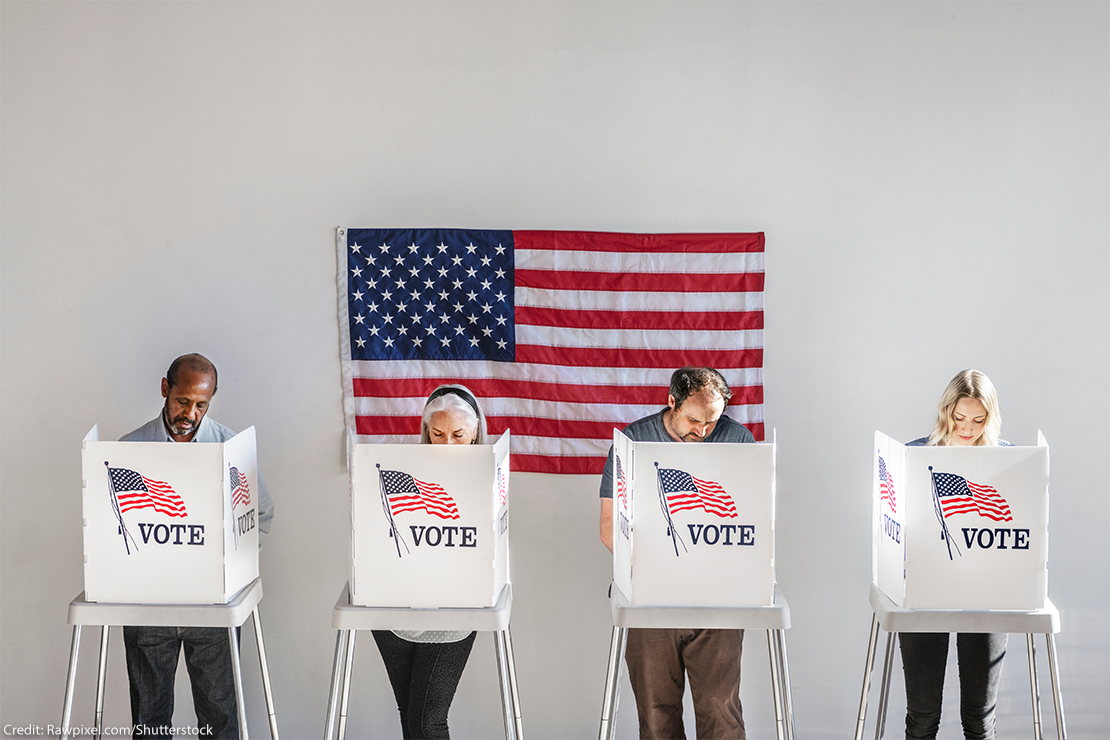
Representing Western Native Voice and four sovereign tribal nations in Montana, the ºìÐÓÊÓƵ, ºìÐÓÊÓƵ of Montana, and Native American Rights Fund (NARF) challenged the latest in a line of Montana laws that hinder Native American participation in the state’s electoral process — SB 490, which drastically limits access to Election Day voter registration (EDR) in Montana. These laws violate a number of provisions in the Montana Constitution: the right to vote, equal protection, and due process.
Status: Ongoing
View Case
All Cases
20 Montana Cases
Montana
Dec 2025
Voting Rights
Chippewa Cree Indians of the Rocky Boy's Reservation v. Chouteau County
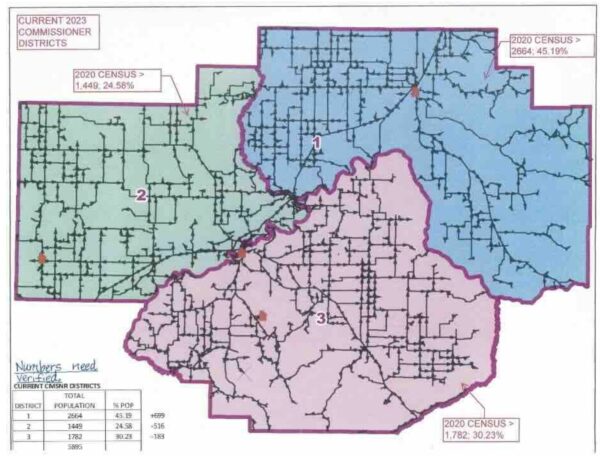
Representing the Chippewa Cree Indians of the Rocky Boy’s Reservation and two Native American voters living in Chouteau County, Montana, the ºìÐÓÊÓƵ, ºìÐÓÊÓƵ of Montana, and Native American Rights Fund (NARF) challenged the holding of at-large elections for the Chouteau County Board of Commissioners. The suit alleges the system unlawfully dilutes the voting strength of Native American voters in the county and has denied them any representation on the county commission for more than a decade.
Explore case
Montana
Dec 2025
Voting Rights
Chippewa Cree Indians of the Rocky Boy's Reservation v. Chouteau County
Representing the Chippewa Cree Indians of the Rocky Boy’s Reservation and two Native American voters living in Chouteau County, Montana, the ºìÐÓÊÓƵ, ºìÐÓÊÓƵ of Montana, and Native American Rights Fund (NARF) challenged the holding of at-large elections for the Chouteau County Board of Commissioners. The suit alleges the system unlawfully dilutes the voting strength of Native American voters in the county and has denied them any representation on the county commission for more than a decade.

Montana
Apr 2025
Civil Liberties
LGBTQ Rights
Perkins et al. v. State (HB 121)
A newly enacted Montana law, HB 121, bars transgender and intersex people from using restrooms and other sex-separated facilities that correspond to their gender identity in public spaces. In doing so, HB 121 seeks to undermine transgender and intersex people’s personhood and ability to participate in public life. Together with the ºìÐÓÊÓƵ of Montana and Legal Voice, the ºìÐÓÊÓƵ’s State Supreme Court Initiative filed this lawsuit on behalf of a group of transgender and intersex Montanans challenging HB 121 as violating numerous provisions of the Montana Constitution.
Explore case
Montana
Apr 2025
Civil Liberties
LGBTQ Rights
Perkins et al. v. State (HB 121)
A newly enacted Montana law, HB 121, bars transgender and intersex people from using restrooms and other sex-separated facilities that correspond to their gender identity in public spaces. In doing so, HB 121 seeks to undermine transgender and intersex people’s personhood and ability to participate in public life. Together with the ºìÐÓÊÓƵ of Montana and Legal Voice, the ºìÐÓÊÓƵ’s State Supreme Court Initiative filed this lawsuit on behalf of a group of transgender and intersex Montanans challenging HB 121 as violating numerous provisions of the Montana Constitution.
Montana Supreme Court
Feb 2025
Free Speech
+2 Issues
City of Kalispell v. Doman
This case asks whether the state can arrest, charge, and convict someone under Montana’s obstruction statute for exercising their federal and state constitutional right to record police officers in public spaces. The defendant was filming a traffic stop when police instructed him to move farther away. When he did not move as far as they wanted, they arrested him for obstructing a peace officer. The ºìÐÓÊÓƵ’s State Supreme Court Initiative, along with the ºìÐÓÊÓƵ of Montana, filed an amicus brief in support of the defendant arguing that the officer’s refusal to allow the defendant to peacefully record police activity from a public sidewalk was, in effect, a content-based restriction on speech that could not be justified under strict scrutiny. Even if the restriction was not content-based, our brief argues that it is not a reasonable time place or manner restriction.
Explore case
Montana Supreme Court
Feb 2025
Free Speech
+2 Issues
City of Kalispell v. Doman
This case asks whether the state can arrest, charge, and convict someone under Montana’s obstruction statute for exercising their federal and state constitutional right to record police officers in public spaces. The defendant was filming a traffic stop when police instructed him to move farther away. When he did not move as far as they wanted, they arrested him for obstructing a peace officer. The ºìÐÓÊÓƵ’s State Supreme Court Initiative, along with the ºìÐÓÊÓƵ of Montana, filed an amicus brief in support of the defendant arguing that the officer’s refusal to allow the defendant to peacefully record police activity from a public sidewalk was, in effect, a content-based restriction on speech that could not be justified under strict scrutiny. Even if the restriction was not content-based, our brief argues that it is not a reasonable time place or manner restriction.
U.S. Supreme Court
Jan 2025
Voting Rights
Western Native Voice v. Jacobsen
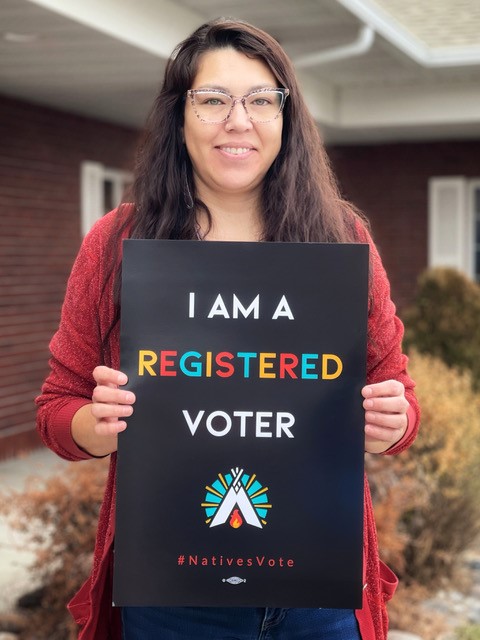
The ºìÐÓÊÓƵ, ºìÐÓÊÓƵ of Montana, Native American Rights Fund (NARF), and the Harvard Election Law Clinic challenged two Montana laws that hinder Native American participation in the state’s electoral process — HB 530, which prohibited paid third-party ballot collection; and HB 176, which repealed Election Day voter registration (EDR) in Montana. Together, these laws violate a number of provisions in the Montana Constitution: the right to vote, equal protection, free speech, and due process.
Explore case
U.S. Supreme Court
Jan 2025
Voting Rights
Western Native Voice v. Jacobsen
The ºìÐÓÊÓƵ, ºìÐÓÊÓƵ of Montana, Native American Rights Fund (NARF), and the Harvard Election Law Clinic challenged two Montana laws that hinder Native American participation in the state’s electoral process — HB 530, which prohibited paid third-party ballot collection; and HB 176, which repealed Election Day voter registration (EDR) in Montana. Together, these laws violate a number of provisions in the Montana Constitution: the right to vote, equal protection, free speech, and due process.